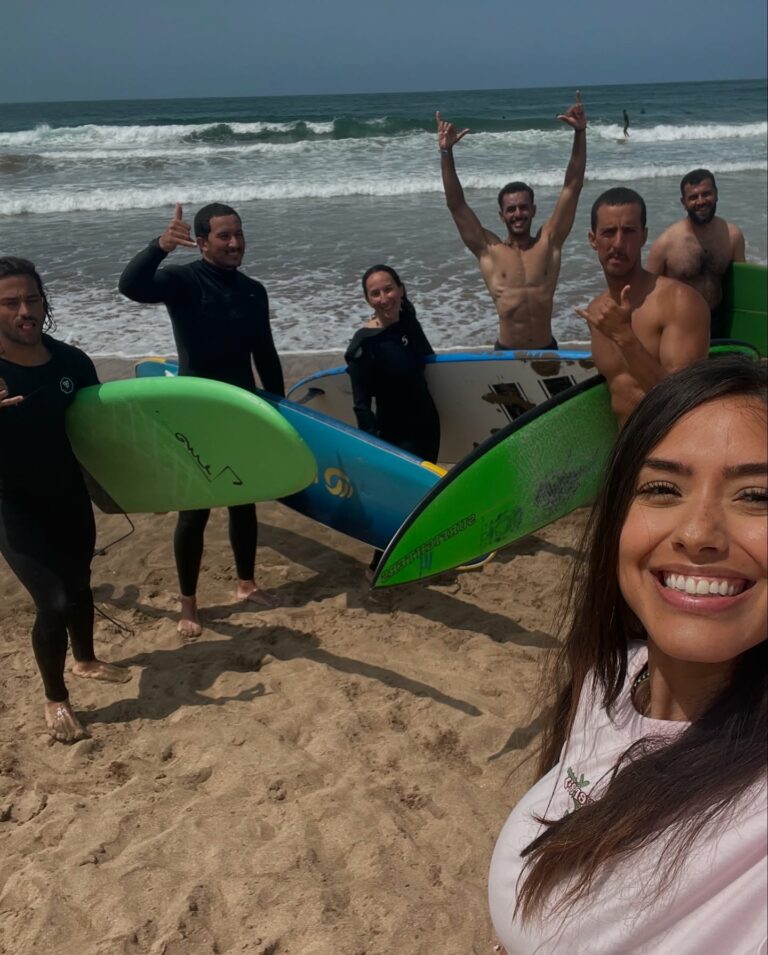


Starting with a Big Surfboard: The Key to Rapid Progress
Starting with a big surfboard is one of the best decisions for any beginner who wants to learn quickly and safely. Larger boards make catching waves easier and provide better stability, allowing you to focus on technique rather than balance. On the other hand, small boards make learning more difficult and increase the risk of frustration. By choosing a bigger board from the start, you can ride waves longer and develop your skills more efficiently. This article explains why starting with a big surfboard is essential and how to maximize your learning experience.
Why Starting with a Big Surfboard is Recommended
For beginners, the main goal is to understand the movement of waves and adapt to balancing on the water. A big surfboard offers:
Increased stability, making it easier to learn positioning and paddling.
Better buoyancy, allowing you to paddle efficiently and catch more waves.
Faster progression, as you can focus on technique without struggling against the board.
According to Surfline, beginners learn faster with longboards or foam boards because they provide more control and reduce stress during early sessions.
Advantages of Big Boards for Beginners
Enhanced stability: Perfect for learning how to stand up and stay upright.
Easier wave catching: A larger surface captures the energy of waves more efficiently.
Fewer falls: You’ll feel safer and reduce the risk of injuries.
Better technical progress: Allows you to focus on timing and stance rather than balance.
These advantages make big boards an essential tool for every beginner surfer.
Comparison with Small Boards
Small boards offer higher maneuverability but are difficult to control for beginners. They require:
More strength and experience to paddle.
Perfect timing to catch waves.
Constant and precise balance, which is hard at the start.
Choosing a big board reduces the learning curve and prevents frustration.
Tips for Getting Started with a Big Surfboard
Practice regularly: Spend time paddling and standing on the board every session.
Take lessons with an instructor: Professional guidance helps you learn proper technique faster.
Observe others: Watch how other beginners and instructors use their boards.
Prioritize safety: Wear a leash and follow local surf rules.
For further guidance, check out our complete beginner’s guide with practical tips on board size and water positioning.
Conclusion and Call to Action
Starting with a big surfboard is a strategic choice that ensures faster progression, better stability, and a more enjoyable surfing experience. Beginners can focus on technique, ride waves longer, and avoid the frustrations of small boards.